LIG Sensor
Laser-induced graphene arrays capture complex gas and odor responses at room temperature.
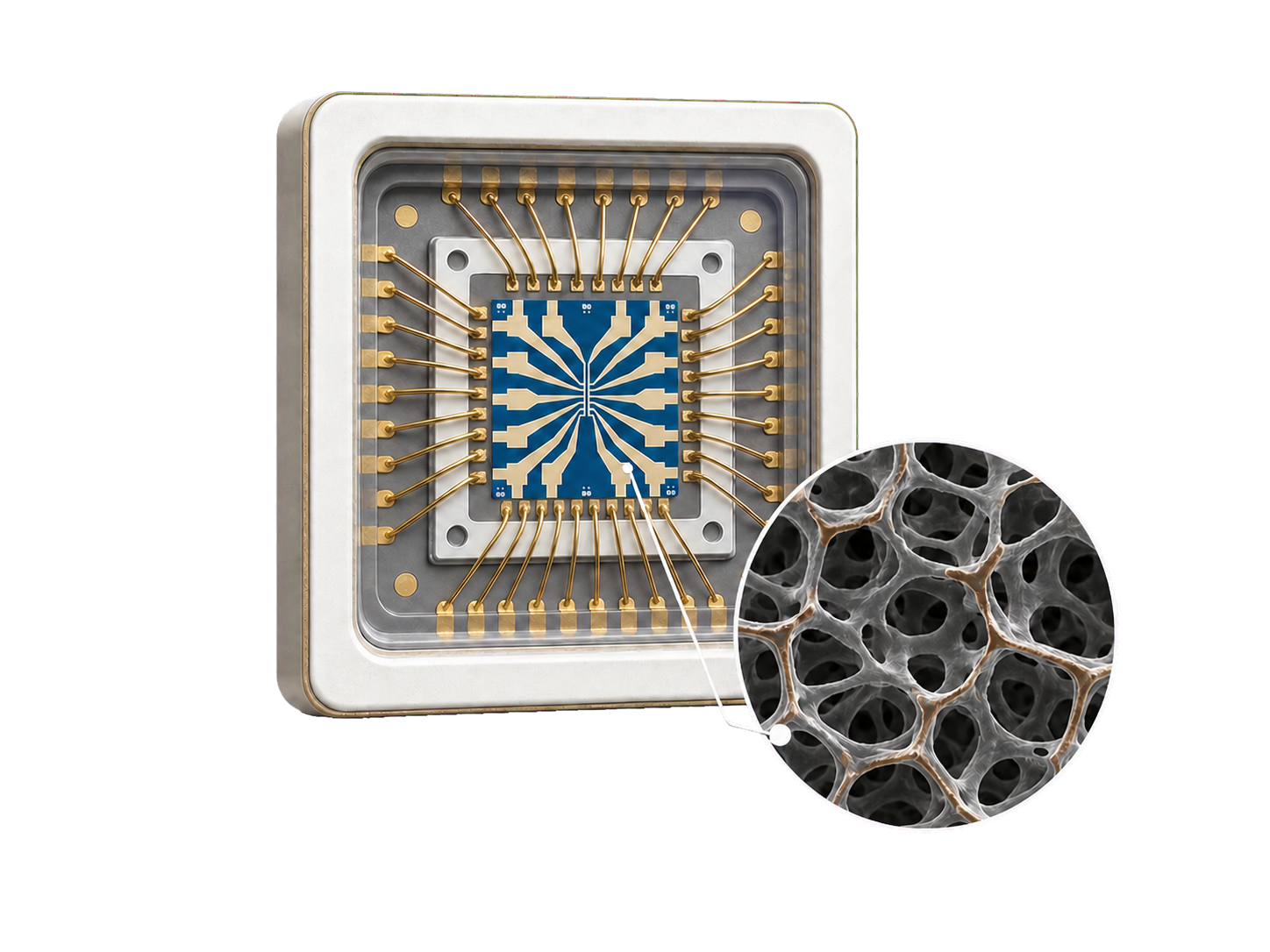

NeuroSense (뉴로센스) combines LIG-based electronic nose sensors, chemical fingerprint data, and olfactory AI to help products interpret complex gas and odor patterns.
NeuroSense connects advanced materials, rich chemical data, and artificial intelligence to interpret the complex world of gases and odors.
Laser-induced graphene arrays capture complex gas and odor responses at room temperature.
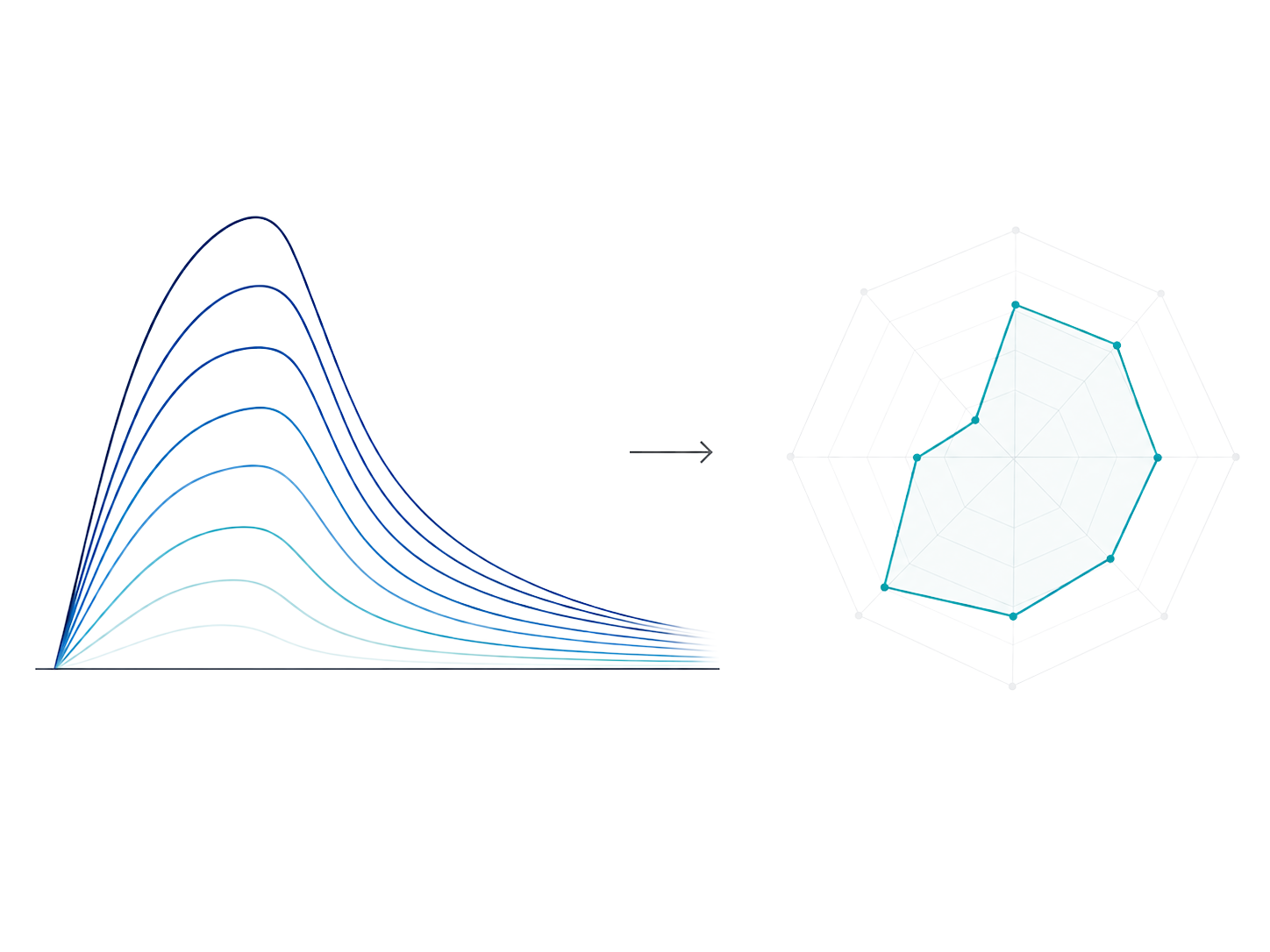
Multi-sensor responses become repeatable fingerprints for complex chemical mixtures.
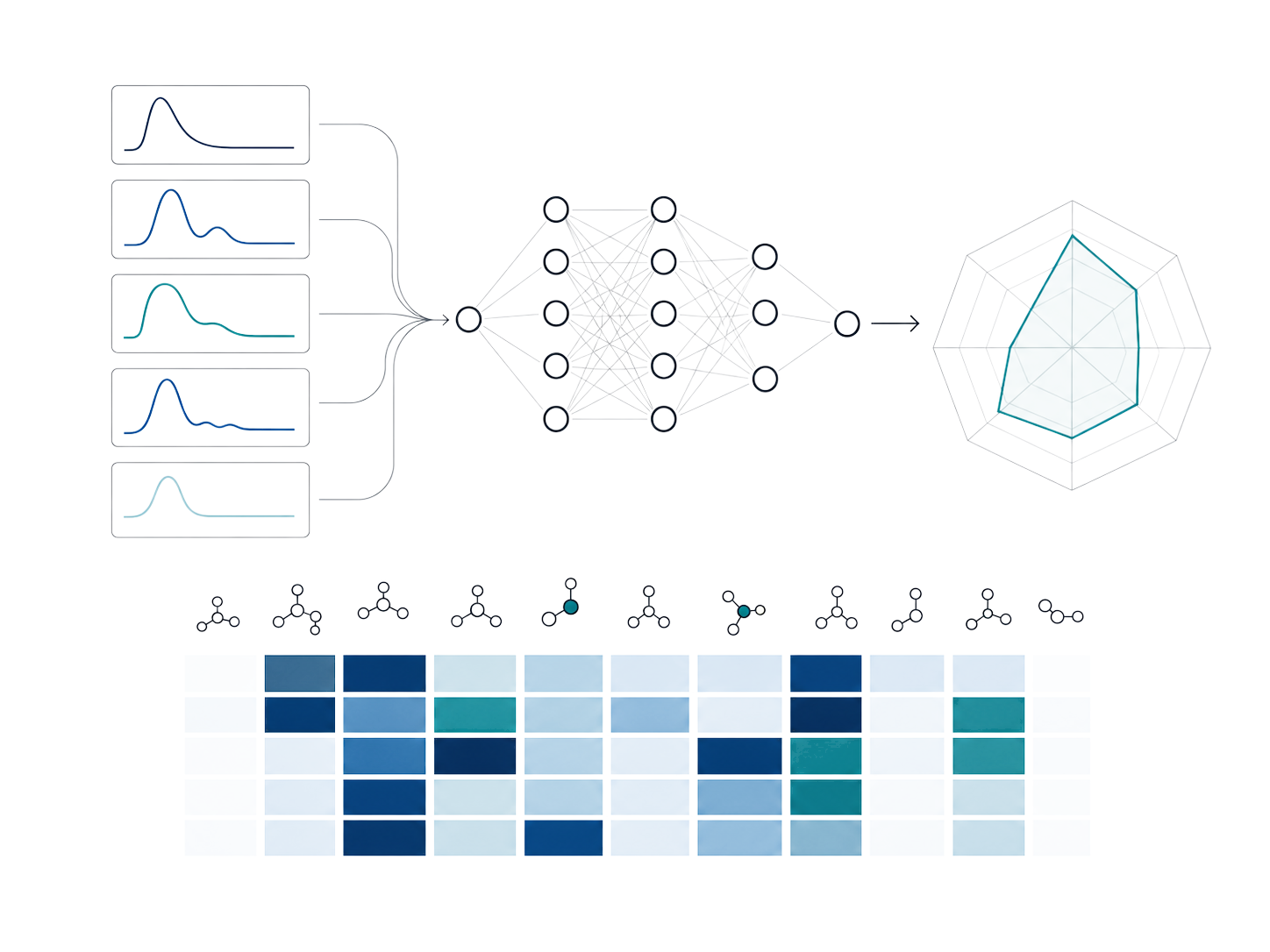
AI models learn patterns and context to turn chemical fingerprints into product-ready interpretations.
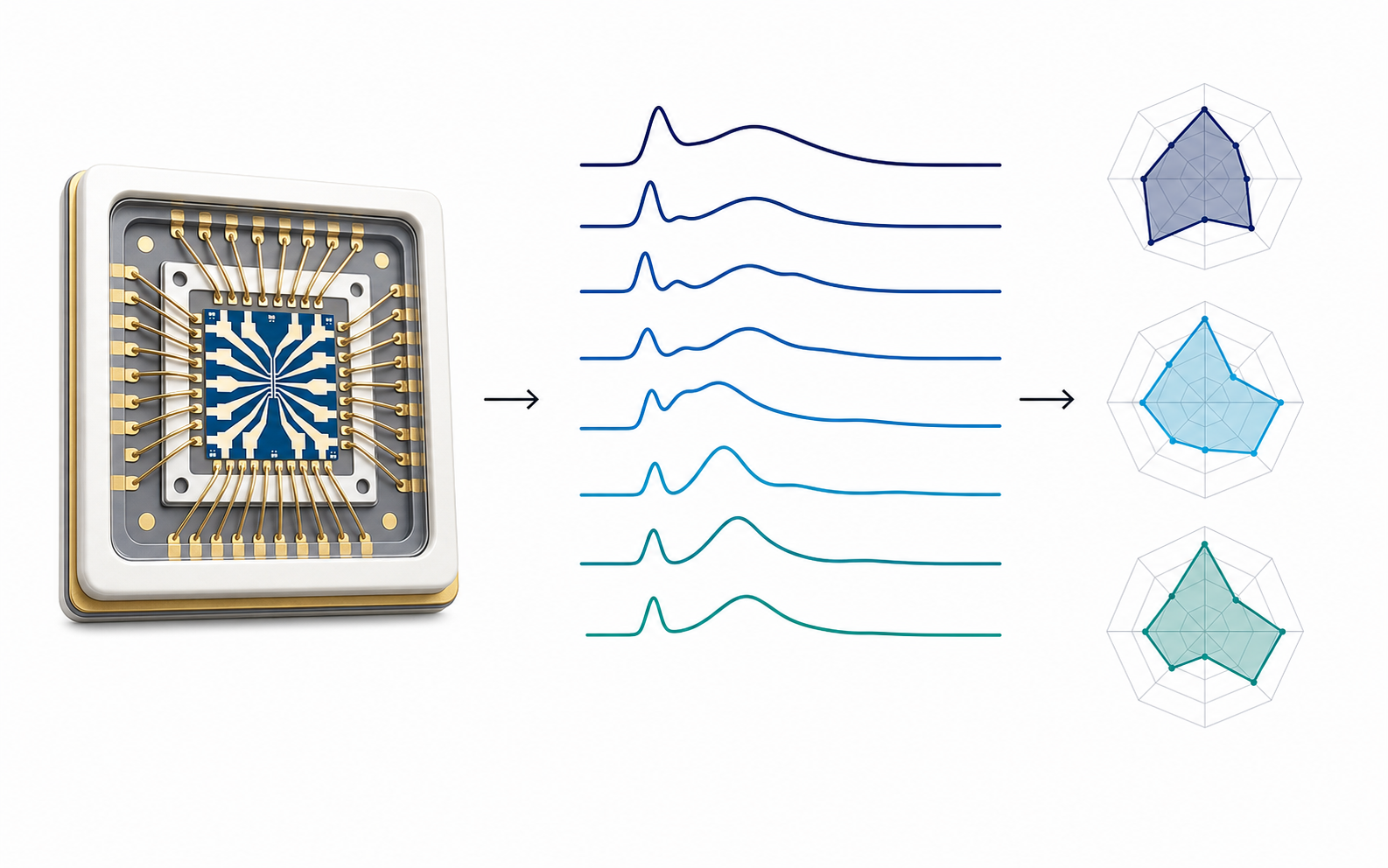
One seamless platform for sensing, data, and intelligence—built to help products make sense of the invisible.
Explore the PlatformPorous laser-induced graphene captures rich, multi-channel responses to complex gases and odors. NeuroSense structures those changing signals as comparable chemical fingerprints.
A laser-formed graphene surface provides a responsive layer for chemical interactions across the sensor array.
Multiple channels record distinct response curves, preserving more context than a single total reading.
Room-temperature sensing, combined with signal processing, helps organize responses that vary with humidity, temperature, airflow, and time.
NeuroSense turns edge-device chemical signals into a shared operational view for monitoring, alerts, and connected control.
Illustrative operations view
HQ — Lounge, Alert; Balanced
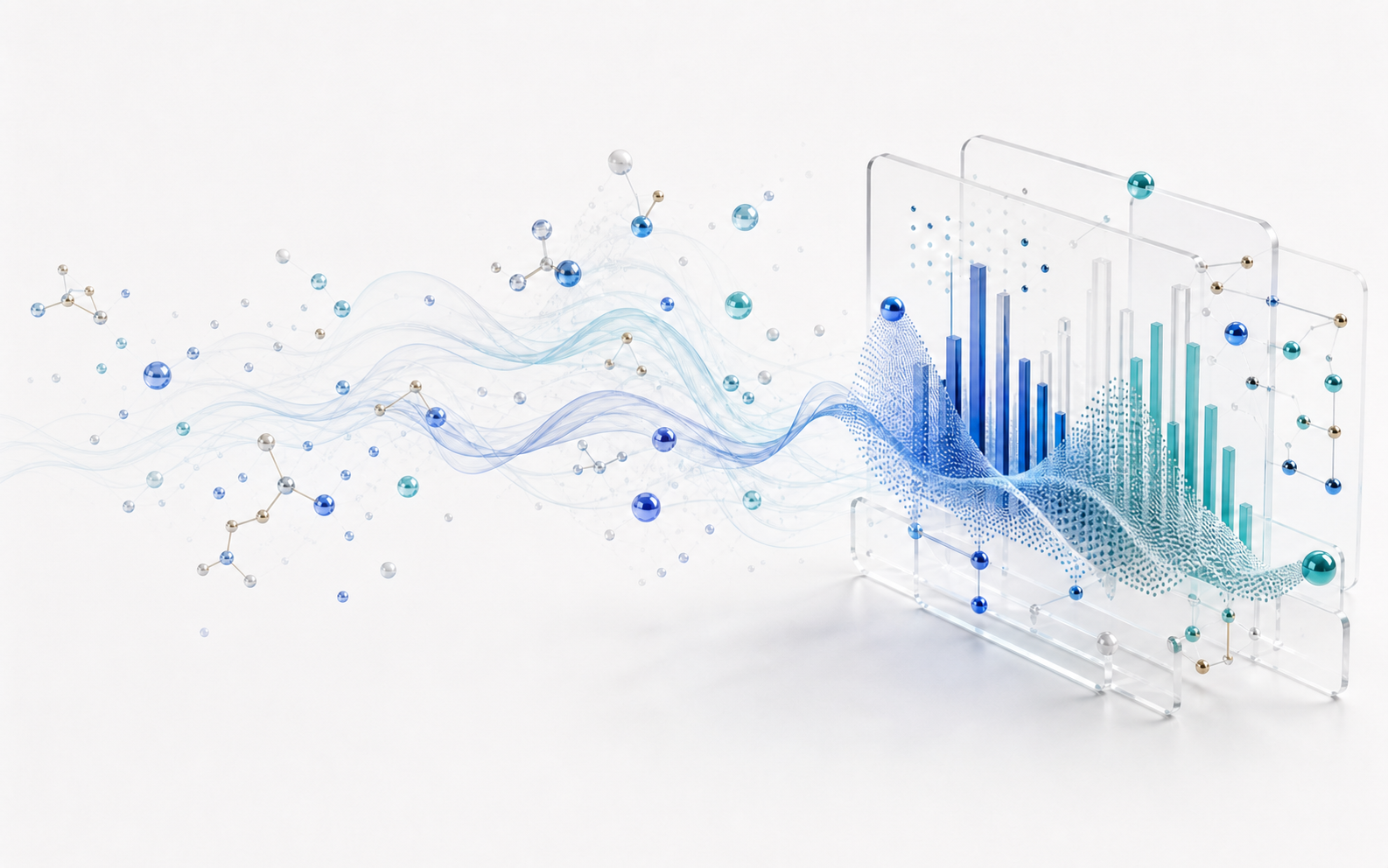
See how multi-channel LIG sensors capture complex gas responses and structure them as comparable chemical fingerprint data.
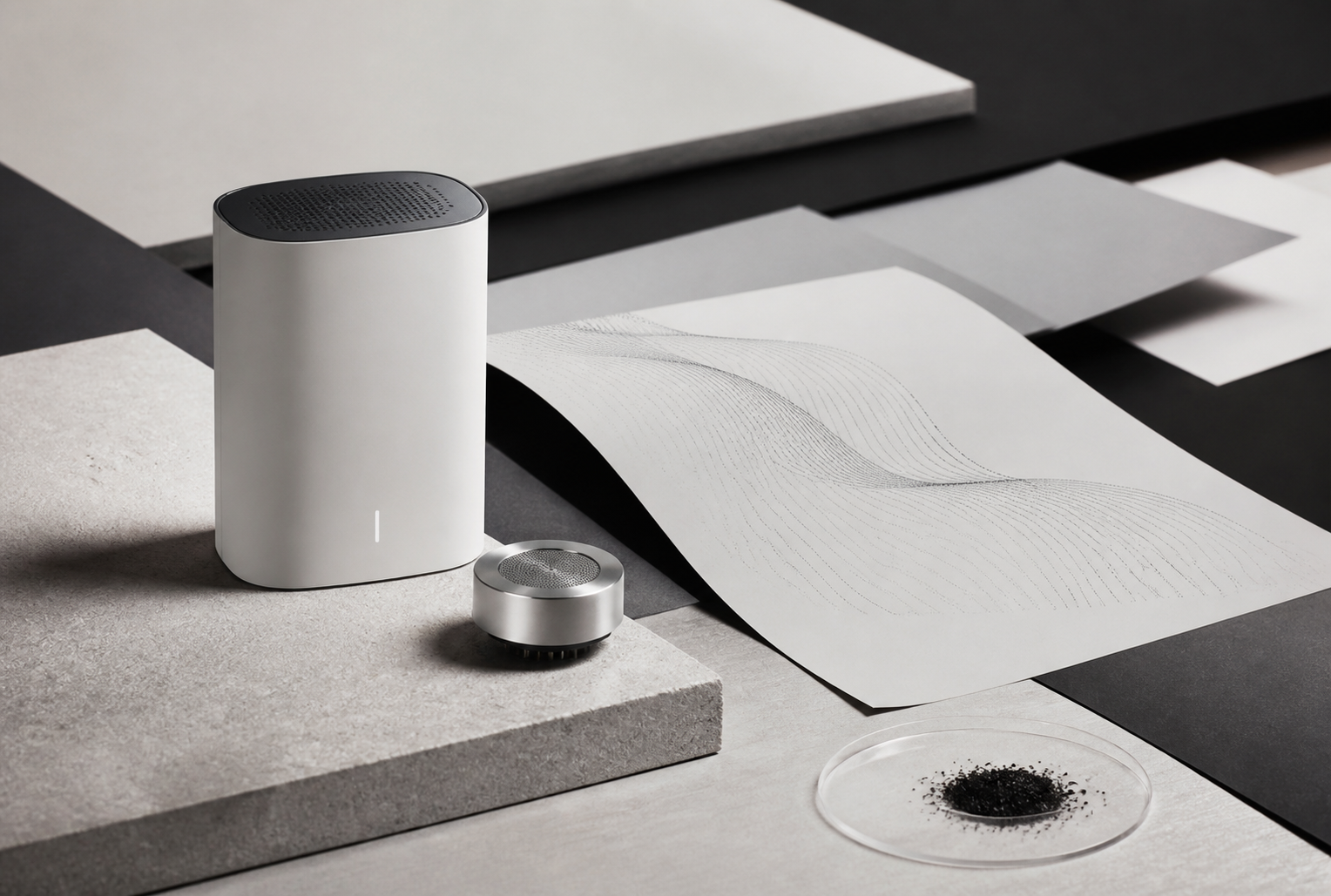
A short introduction to NeuroSense, why smell matters, and how olfactory intelligence can help products understand invisible chemical signals.